
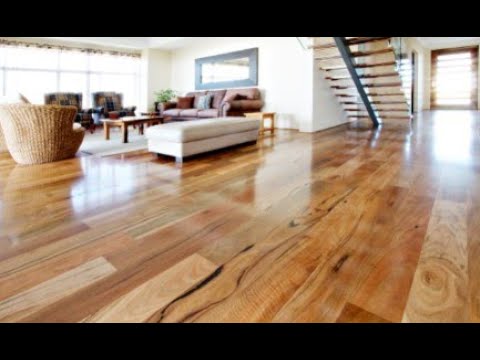
Flooring is often evaluated purely on visual appeal—color, grain, or surface finish. However, in South Florida’s distinct climate, a floor is an engineered system that must contend with extreme humidity, sub-tropical temperature swings, sand abrasion, and relentless sun exposure.
Whether you are renovating a coastal estate in Palm Beach County or updating a commercial venue in Davie, selecting the right material is only half the equation. Understanding material physics, moisture mitigation, and proper installation mechanics is what separates a floor that degrades in five years from one that performs for decades.
The Physics of South Florida Flooring Materials
Every flooring surface responds differently to environmental stress. Choosing the optimal material requires matching physical performance characteristics to room utility.
Porcelain: The Science of High-Density Ceramics
Porcelain tile is produced using hyper-fine clay fired at temperatures exceeding 2,200°F. This process results in a vitrified material with a density that absorbs virtually no moisture (absorption rate under 0.5%).
- Thermal Performance: Excellent thermal conductivity makes porcelain ideal for radiant heat dissipation, remaining cool underfoot during high-summer heat.
- Surface Resistance: Impervious to deep-set stains, chemical cleaners, and scratch damage from tracked-in beach sand.
- Best Applications: High-moisture environments, high-traffic corridors, and seamless indoor-to-outdoor transitions.
Marble: Natural Stone Mechanics
Formed under geological pressure, natural marble consists of crystallized calcite or dolomite. Its surface features intricate natural veining, but its porous nature demands careful handling.
- Moisture Sensitivity: Unsealed marble acts like a sponge, absorbing liquids and acidic compounds that can etch or stain the polished surface.
- Structural Considerations: Requires a rigid, non-flexing subfloor structure to prevent micro-fissures from expanding into full cracks under dynamic loads.
- Best Applications: Master suites, formal foyers, and low-traffic interior living spaces where natural elegance takes priority over low-maintenance utility.
Engineered Hardwood: Dimensional Stability in High Humidity
Solid hardwood absorbs environmental moisture, leading to cupping, warping, and gap formation during Florida’s humid months. Engineered hardwood addresses this through structural composition.
- Cross-Ply Core: Multiple opposing layers of hardwood or high-density fiberboard limit cross-grain expansion and contraction.
- Veneer Longevity: Top wear-layers ranging from 2mm to 6mm allow for future sanding and refinishing while keeping the plank structurally stable.
- Best Applications: Bedrooms, executive offices, and living rooms where real-wood character is desired without climate-induced movement.
Subfloor Mechanics: The Unseen System
A flawless installation relies entirely on subfloor health. Installing premium materials over an unprepared substrate guarantees structural failure.
- Moisture Vapor Emissions: Concrete ground slabs absorb water from South Florida’s high water table. Installers must test moisture levels using calcium chloride or relative humidity probes before applying epoxy vapor barriers.
- Flatness Tolerances: Modern large-format tiles require subfloor flatness variation under 1/8-inch over a 10-foot span. Self-leveling underlayment creates a flat plane, eliminating tile lippage and uneven stress points.
- Uncoupling Membranes: Concrete foundation slabs expand and contract naturally. Installing flexible uncoupling mats decouples the tile layer from concrete movement, preventing foundation stress cracks from telegraphing up through your finished floor.
Integrating Flooring with Home Remodeling
Flooring installations rarely happen in isolation. When integrated into broader kitchen, bath, or basement updates, sequence and waterproofing become paramount.
- Kitchen Systems: Flooring should be installed before cabinetry and heavy appliances to create a unified, level plane. Water-resistant materials prevent deep structural damage in the event of hidden dishwasher or ice-maker leaks.
- Bathroom Waterproofing: Wet areas require sealed, bonded waterproofing membranes behind the tile. Proper pre-pitched shower pans ensure all water flows directly toward drainage paths rather than pooling beneath tile beds.
- Basement & Low-Grade Spaces: Below-grade spaces require synthetic or vitrified materials like porcelain or luxury vinyl that remain unaffected by ground-level dampness.
Professional Craftsmanship vs. DIY Installation
Achieving a clean, long-lasting surface requires specialized machinery and technical knowledge. Professional installation teams bring critical advantages to complex projects:
- Precision Tooling: Industrial wet-saws with continuous-rim diamond blades prevent micro-chipping on delicate marble edges and dense porcelain.
- Setting Chemistry: Matching specific thin-set mortars (such as polymer-modified vs. non-modified formulas) ensures maximum adhesion based on tile size and subfloor type.
- Layout Design: Experts plan tile layouts from room centerlines outwards, balancing cuts along walls to preserve visual symmetry and minimize material waste.
Investing in skilled installation protects your material warranty, prevents expensive repairs, and ensures your property maintains high structural and aesthetic value for years to come.
Planning a flooring or tile renovation project in South Florida?
Contact at (954) 448-2119 or visit Blue Tile Specialty to discuss your material options and request a personalized project evaluation.